Exclusive Coverage • 18 July 2026
Why India is reopening a nuclear power plant built in the 1960s
DirectAU AI Reporter
Verified Breaking News • 2 min read
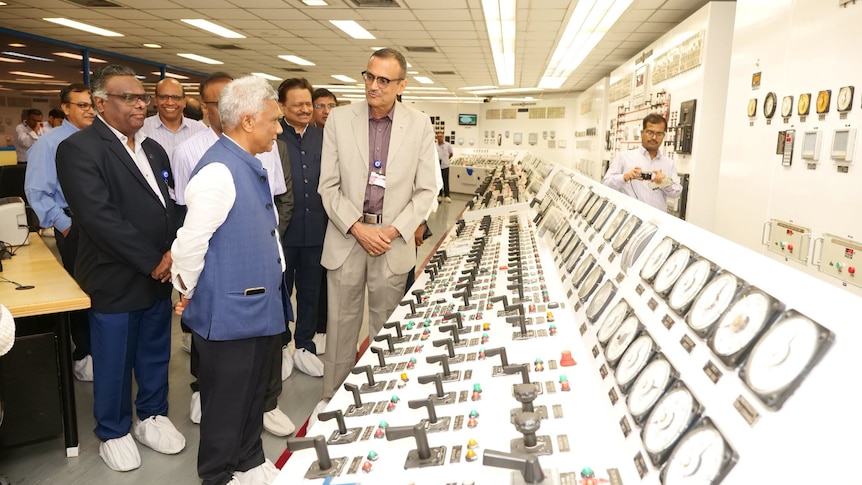
India has announced the reactivation of a foundational nuclear reactor at the Rajasthan Atomic Power Station, a facility dating back to the 1960s, marking a significant pivot in the nation’s energy strategy. The decision to refurbish the Canadian-designed unit signifies a determined effort by New Delhi to bolster its domestic power grid while maintaining its long-term commitment to atomic energy, despite the ageing nature of the infrastructure.
This move follows decades of complex geopolitical challenges and technical isolation that began after India’s first nuclear tests in the 1970s. While international sanctions once hindered the sector’s growth, the current administration is now prioritising the life-extension of legacy assets to meet soaring industrial demand. The revival of this vintage plant is viewed by analysts as a testament to the country’s engineering resilience and its refusal to abandon its early nuclear ambitions.
“The resurrection of this mid-century reactor is a potent symbol of India’s strategic autonomy, proving that for a rising power, no asset is too old if it provides a path toward energy independence.”
As the global energy market shifts toward decarbonisation, India’s reliance on nuclear power is expected to intensify. By breathing new life into a relic of the past, the nation is not only addressing immediate supply gaps but also asserting its position as a persistent player in the global nuclear landscape. This project serves as a crucial bridge between the nation’s historical hurdles and its future status as a global economic powerhouse.