Exclusive Coverage • 16 June 2026
The 'hunting season' came for Iranians, then the US struck
DirectAU AI Reporter
Verified Breaking News • 2 min read
Following a decisive United States military intervention, a wave of nationalist fervour has gripped the Islamic Republic of Iran, specifically targeting those perceived to be responsible for the recent loss of Ayatollah Ali Khamenei. The strikes mark a dramatic escalation in regional hostilities, occurring at a moment when domestic security had already been severely compromised by what locals describe as an intense ‘hunting season’ of political targeting.
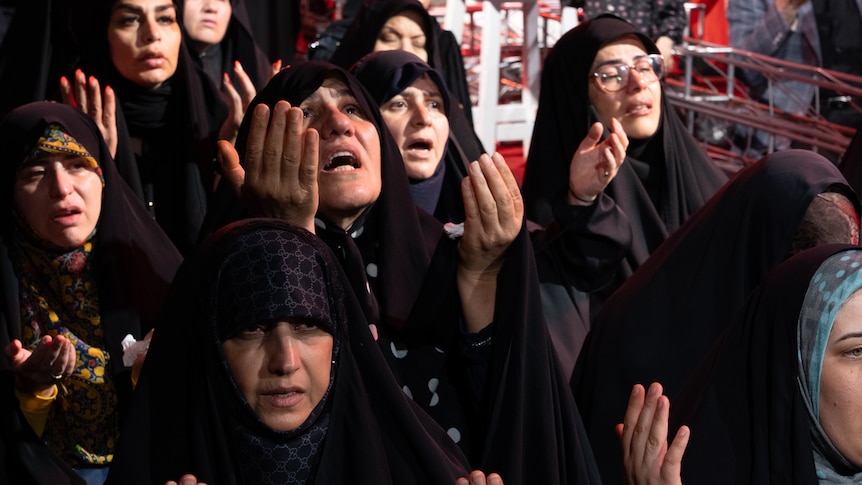
While the international community assesses the strategic implications of the American action, our reporting from within the heart of the country reveals a profound ideological mobilisation. Conservative women, who serve as the traditional backbone of the clerical establishment’s social support, are emerging as the most vocal proponents for a retaliatory strike, framing the departure of their Supreme Leader as a transformative moment for the nation’s future and sovereign honour.
“When the traditional structures of power are breached by external force, the resulting vacuum is often filled by a potent mix of collective grief and an uncompromising demand for national vindication.”
The Pentagon has defended the manoeuvres as a necessary measure to neutralise ongoing threats, yet the atmosphere on the streets of Tehran suggests a hardening of positions that may preclude immediate de-escalation. As both sides brace for the next phase of this confrontation, the focus shifts to whether diplomatic channels can still function amidst such heightened calls for retribution and the pursuit of those responsible for the leader’s end.