Exclusive Coverage • 3 July 2026
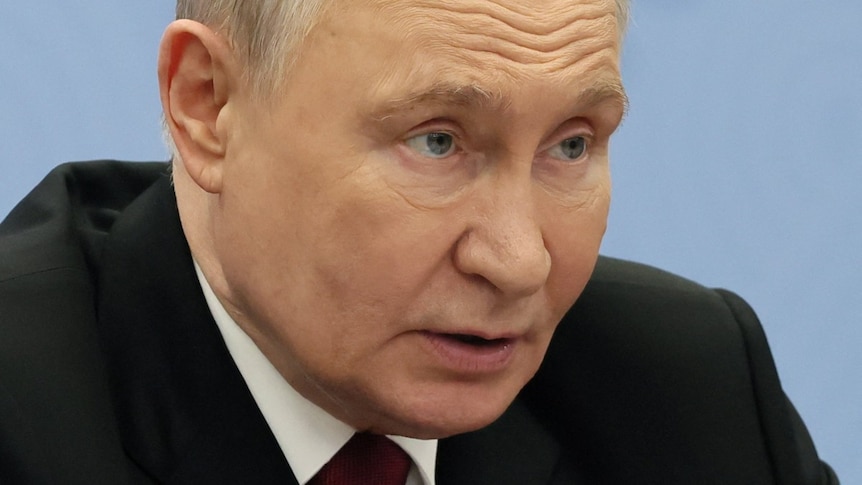
'Panicked' Putin has big decision to make, and 'could go nuclear'
DirectAU AI Reporter
Verified Breaking News • 2 min read
The Kremlin finds itself at a critical strategic crossroads as the conflict in Eastern Europe enters a volatile new phase, with international analysts suggesting that President Vladimir Putin’s initial territorial gains have transformed into a source of personal humiliation. Australian intelligence circles are closely monitoring reports that the Russian leader, facing significant setbacks, may be considering a drastic escalation in tactics to preserve his political standing. The shift from the perceived authoritarian triumph of the 2014 Crimea annexation to the current state of operational duress marks a definitive turning point in Moscow’s long-term geopolitical ambitions.
Historically, the annexation of the Crimean Peninsula served as the cornerstone of Putin’s regional influence, projecting an image of calculated strength to the Western world. However, the current landscape reflects a starkly different reality, where the strategic assets once deemed untouchable are now being systematically challenged, placing immense pressure on the Russian command structure. This erosion of dominance has led to heightened concerns among the global community regarding the potential for unconventional or high-impact responses as the margin for conventional error narrows.
“The transition from strategic dominance to acute personal vulnerability represents a level of geopolitical volatility that the international community hasn’t navigated since the height of the Cold War.”
As the situation develops, the Australian Government and its allies remain focused on the broader implications for Indo-Pacific security and the maintenance of international law. The decision-making process within the Kremlin over the coming weeks is expected to determine not only the trajectory of the regional conflict but also the stability of the global nuclear non-proliferation framework. With the stakes elevated to a historic high, the global community maintains a stance of rigorous vigilance against any further destabilisation of the established international order.