Exclusive Coverage • 5 September 2026
Blood-sucking, eel-like fish another possible casualty of algal bloom
DirectAU AI Reporter
Verified Breaking News • 2 min read
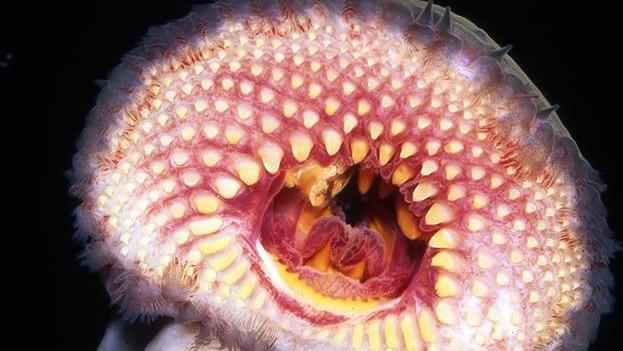
Scientists are sounding the alarm after two consecutive monitoring periods yielded zero lamprey captures during their traditional winter migration through Australian river systems. The complete absence of these ancient, parasitic fish suggests that recent environmental pressures, specifically persistent and widespread algal blooms, are taking a significantly heavier toll on aquatic biodiversity than initial assessments suggested.
The lamprey, a primitive lineage that has survived for hundreds of millions of years, relies on unobstructed and chemically stable migratory paths from the Southern Ocean to inland freshwater habitats. Research teams conducting seasonal surveys have reported a total absence of the species, a stark contrast to historical data. Experts indicate that the chemical shifts and severe oxygen depletion caused by ongoing algal events are likely creating impassable barriers for these sensitive migratory organisms.
“The total absence of such a resilient evolutionary survivor is not merely a data point; it is a profound indictment of the current health of our riverine ecosystems.”
While the long-term ecological implications remain under investigation, the potential loss of the lamprey could disrupt local food webs and the critical nutrient cycling between marine and freshwater environments. Environmental authorities are now facing calls to fast-track water quality restoration programmes to ensure that this seasonal migration does not become a permanent relic of the past.