Exclusive Coverage • 8 June 2026
A 'ring of fire' could soon burn around one of Australia's major cities
DirectAU AI Reporter
Verified Breaking News • 2 min read
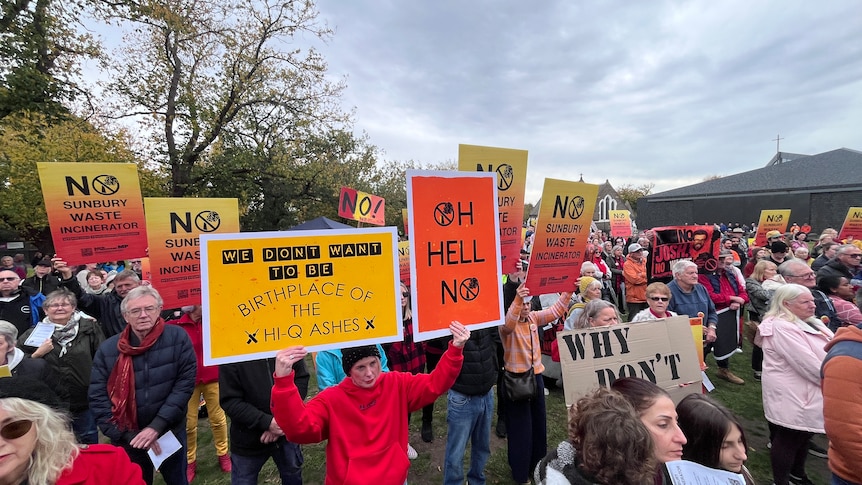
Major Australian urban centres are facing a transformative shift in waste management policy as state governments accelerate the approval of a network of waste-to-energy incinerators. Despite sustained opposition from local community groups and environmental advocates, authorities are progressing with plans that will effectively surround a major capital city with several high-capacity thermal treatment facilities. This move marks a departure from traditional landfill reliance toward a controversial industrialised disposal model.
The strategic push aims to divert millions of tonnes of household and industrial rubbish from overflowing landfill sites, which are rapidly reaching critical capacity across the eastern seaboard. Proponents of the scheme argue that modern incineration technology offers a dual benefit: reducing the environmental footprint of waste burial while generating base-load electricity for the grid. However, residents in the affected regions have raised significant concerns regarding the long-term atmospheric impact and the proximity of these plants to residential zones.
“The transition from terrestrial waste burial to atmospheric combustion represents a fundamental pivot in our urban ecology, where the immediate necessity of disposal frequently clashes with the long-term scrutiny of public health integrity.”
Regulatory bodies are currently reviewing several high-profile proposals, with some projects already entering the preliminary stages of construction and site preparation. As this planned infrastructure begins to take shape, the tension between industrial utility and community wellbeing remains the primary challenge for policymakers. The coming months will be decisive in determining whether this new energy frontier becomes a permanent fixture of the Australian metropolitan landscape.